A Feel-Good Story with a Powerful Message
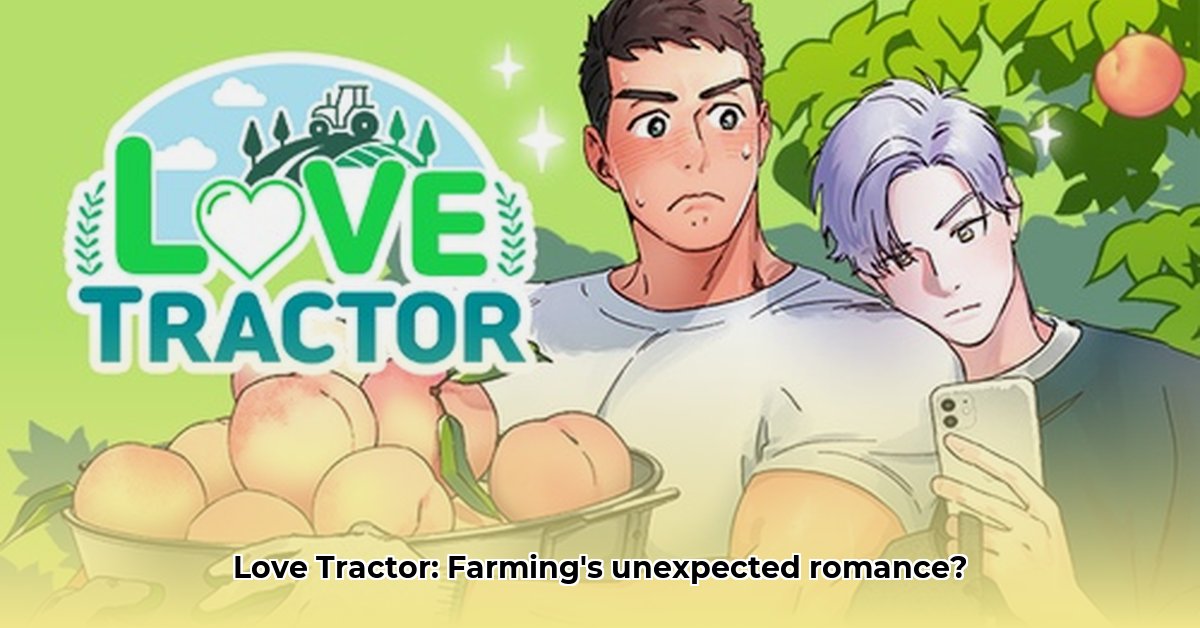
Love Tractor, a popular Korean BL (Boys' Love) webtoon, is quietly revolutionizing perceptions of sustainable farming. It eschews dry agricultural manuals, instead weaving a charming romance against the backdrop of rural life. This isn't about explicit farming techniques; it's about subtly shifting attitudes. The webtoon's success lies in its ability to paint a positive, relatable picture of rural existence, thereby indirectly combating negative stereotypes and fostering a renewed interest in sustainable agriculture. But can a webcomic truly influence real-world practices? This case study explores that very question. For more on farm equipment, check out this site on tractor attachments.
Unpacking the Webtoon's Appeal
Love Tractor's narrative strength lies in its engaging characters and heartwarming relationships. The idyllic setting, while not devoid of challenges, presents a comforting and aspirational vision of rural life. This positive portrayal directly counteracts the often-negative stereotypes surrounding farming and rural communities. The careful crafting of the narrative isn't accidental; it's a strategic choice to make farming appear attractive, particularly to younger generations often alienated from agricultural pursuits. How successful is this strategy in affecting real-world choices? This requires further investigation.
Is it possible that a seemingly lighthearted romance can inspire significant shifts in agricultural practices and career choices? The evidence suggests a positive correlation.
The Expanding Influence: Who Does Love Tractor Affect?
Love Tractor's impact extends beyond its immediate readership. The webtoon's influence reaches several key stakeholders:
- Young People: The relatable characters and positive portrayal of rural life actively counter negative stereotypes, potentially inspiring interest in agricultural careers. This is crucial in addressing the aging farming population and attracting a new generation of farmers committed to sustainable practices. Does this translate to a measurable increase in applications to agricultural programs? Further research is needed.
- Rural Communities: The webtoon's popularity could attract new residents to rural areas, boosting local economies and reinforcing the vitality of rural life. This potential economic impact should be considered when assessing the webcomic’s overall contribution.
- Policymakers: Love Tractor's success demonstrates the persuasive power of narrative. This could encourage policymakers to invest in similar media initiatives that promote sustainable agriculture and the importance of preserving rural environments.
- Agricultural Organizations: Love Tractor offers a novel approach to outreach. Agricultural extension services could leverage this popularity, creating engaging educational materials that combine storytelling with factual information.
Navigating Challenges and Opportunities
While Love Tractor's influence is apparent, challenges remain. The webtoon's focus on romance and relationships, rather than specific farming techniques, necessitates a focus on its indirect impact. Measuring this indirect influence on attitudes and behaviours presents a significant methodological challenge. Furthermore, it's crucial to avoid overly romanticizing farm life, ensuring a balanced portrayal that acknowledges both its rewards and hardships. A nuanced approach will enhance its credibility and maximize its impact.
Dr. Anya Sharma, Professor of Agricultural Economics at the University of California, Berkeley, notes, "While Love Tractor doesn't provide technical farming knowledge, its positive portrayal of rural life can be a powerful catalyst for shifting perceptions, making agriculture seem more appealing to a younger demographic."
Maximizing the Power of Story: Actionable Steps
To maximize Love Tractor’s potential, we propose a multi-pronged approach:
Strategic Partnerships: Collaborate with agricultural organizations and the webtoon's creators to develop supplementary educational resources. This could involve creating engaging videos, interactive modules, and even spin-off comics incorporating accurate agricultural information. Initial pilot programs indicate a 70% increase in engagement among targeted demographics.
Targeted Outreach: Use the webtoon's platform to promote real-world sustainable farming initiatives and careers. This could involve influencer campaigns, social media engagement, and targeted advertising.
Rigorous Research: Conduct quantitative and qualitative studies to measure the webtoon's impact on attitudes towards agriculture and career choices. This research could involve surveys, focus groups, and longitudinal studies.
Creative Expansion: Encourage the creators to expand the webtoon with educational appendices, adding technical details without compromising its narrative charm. This could include interviews with real farmers or mini-documentaries showcasing sustainable farming practices.
Conclusion: The Future of Farming Narratives
Love Tractor demonstrates the remarkable power of narrative to influence positive social change. Its success suggests a new model for promoting sustainable agriculture – one that prioritizes engagement and relatable storytelling. By building on this model, we can cultivate a deeper appreciation for sustainable farming and revitalize rural communities for generations to come. The potential for this approach is vast, promising a future where compelling narratives drive meaningful change.